Determine Your Goals With Outside-In Perspective

Determine Your Goals With Outside-In Perspective

« Blog | Written by ezfacility | | (0) Comments

I’m going to tell you about the wonderfully underused ability of perspective shapeshifting. I will be up front and firstly state that this particular type of transformation does not affect your outer physical attributions, but rather one very special part inside your body; the brain. Everything inside your brain is about to change. Your memories, your business knowledge, your favorite foods—block them out—because in order to successfully complete this transformation, your mind will need to be completely clear. Only then can you become the “next client”.

It is not easy to clear one’s mind, especially those of us, who are in high positions of authority, constantly making decisions on the go. It may also not be easy to agree with this perspective choice of mindset you will be tapping into. Why a “next client?” Why not a current client or a loyal client? Here is the answer. A new incoming client questions everything. They are skeptical and more likely to evaluate and criticize the same as one from inside the business. That is precisely why becoming the next client’s brain is an important step in improving the quality and draw of your business appeal.

So, take a deep breath and clear your mind.

Are you ready?

You are now the next client.

The “Perfect” Balance of Experience and Authenticity

The next client (now you) has a lot of high expectations whether they say so or not. Studies show how first impressions can practically cement opinions despite attempts of rectifying an initial impression and you (as the next client) want a good impression. You also don’t want perfection, but an environment that instead realizes potential growth and strives to be the best.

You’re not as hard to please as your friends and family may think. At the end of the day, you just want someone to trust. You want to hear earnest words like “appreciate,” “value,” and humbling rejections instead of flat refusals such as “No,” and “I don’t know” that offer no framework for a solution. You want to hear encouraging phrases that show a sense of thought like “You have the right to customize” and the usage of “we” that confirms a teamwork relationship. You get a feeling that harmonious staff who know each other will be able to run a business in the best way possible…and you’re right! Research from the Journal of Applied Behavioral Science described that caring, inspiration, and respect define the positive teams that ensure productivity.

Assure Health Trust & Safety Measures

Now that you know your investments are secure, how about your health? Does your future instructor know about how stopping short when running can increase the risk of a heart attack? Do they know CPR and other medical procedures? Does the facility have medical equipment for unexpected emergency circumstances? And will staff reach out in a communication effort beyond the standard hello and goodbye to notify you on all these regulations? In short, you want an open communicator who has a welcoming personality and cares what you say. Open communicators read their subjects by their expressions and body language when words aren’t enough. They are the ones who will know when to say: “Do you have any questions for me?” or “Are you sure?” and “I’m here to help.”. Most of what ensures a trust in your future client-trainer relationship is authenticity and if established from the very beginning of the meeting, your client will obviously be more inclined to extend their trust. In their securing presence, you will also feel secure.

Affirm Security Concerns

The next expectation on your checklist is complete security. In the near future, you are going to give away private information so it’s certainly fair that the one receiving your data knows just how securely your information will be protected. Naturally, you want to feel safe knowing it’s in the most responsible of hands and the best way to ease out that anxiety is to hear a confident and knowledgeable voice saying their payment system is certified. For example,EZFacilityis certified at PCI DSS Level 1, validated procedures by Trustwave, verified privacy practices by TRUSTe, and offers free merchant processing consultation to settle any questions or concerns. Since nearly half of Americans feel their information is less secure online this could come in handy from time to time. You could be part of that percentage, but yet you will feel pleased, knowing EZFacility offers an option to fully understand the heavy text and lingo that warrants the protection of your data.

If you are wondering more about effective examples of gym management software, we recommend signing up for a free demonstration of one the most highly experienced, ranked, and trusted gym management software solutions.

The Big Game and Your Business.

The Big Game and Your Business.

« Blog | Written by ezfacility | | (0) Comments

The Big Game is almost here and it can really help your business. Yes, that’s absolutely right. As long as you tread extra carefully from using trademarked words such as “Super Bowl”, the Big Game can help improve the status of your business. The idea of celebrating while presenting your business may sound like a huge multitasking feat-but with the help of social media, the idea is a lot easier (and even fun) to accomplish. Here’s how you can get started right away.

Words and Phrases To Use On Social Media Posts: The Big Game, The Big Day, The Big Football Game, Pro Football Championship, American Football, The Game, Football Fun, etc.

Facebook Live is Your TV

A 30 second TV advertisement during the Super Bowl can cost as much as 5 million while videos shared on Facebook can cost a total of nothing. According to Salesforce, 73% of Super Bowl viewers use two devices while watching the game.This allows a wonderful opportunity to use Facebook and its many methods of post engagement, namely Facebook Live. By going candid, clients will be drawn in by a casual aura-and it doesn’t have to be a long video. It could be a 10-second clip of asking gym patrons for a cheer vote of their Pro Football Championship winner.

Twitter is Your Radio

In a statistic run of Twitters activity, audience views during Super Bowl 50 were at 4.3 billion. One way to take advantage of Twitter during the game is through the rotation of play by play tweets known as live tweeting. Note that the The Big Day doesn’t have to be the main event of a live tweeting session, especially if you want to put your business directly in the spotlight and not beside it. Think Budweiser (Yes Really) According to a 2012 study from the  American Veterinary Medical Association, 36.5 percent of the United States population own dogs. It’s possible Budweiser was aware of this when they added a puppy to their iconic Clydesdale in their latest commercial hit. (Fun fact: the Clydesdale was first introduced in 1933 during the end of the Prohibition Era as a method of transportation. As of this time, it is now recognized as a promotional symbol.) It’s important to recognize what Budweiser has done better than other businesses, and that is creating and maintaining a good business icon. The steps to establishing a mascot tend to be costly but with free-to-use social media platforms at your disposal, there’s nothing to lose when you put your pet on camera.

The Power of Food

According to the National Retail Foundation, viewers of Super Bowl 50 spent an average of $82.19 on food, team apparel, and decorations. Another zero cost strategy would be to share a healthy game day recipe on social media. You can even take the project one leap further and post your own how-to video across Facebook and Twitter. If the content resonates with fans, use it for other popular events and holidays. (And congratulations by the way, you got yourself a theme going!) Contests One of the best ways to ensure client engagement on social media is by using the words “contest” or “prizes”. With some imaginative thinking, you can turn the next Big Game into an effortless marketing campaign for your business facility without giving up a single penny.

Boost Client Conveniences And Business Reach With MemberMe+

Boost Client Conveniences And Business Reach With MemberMe+

« Blog | Written by ezfacility | | (0) Comments

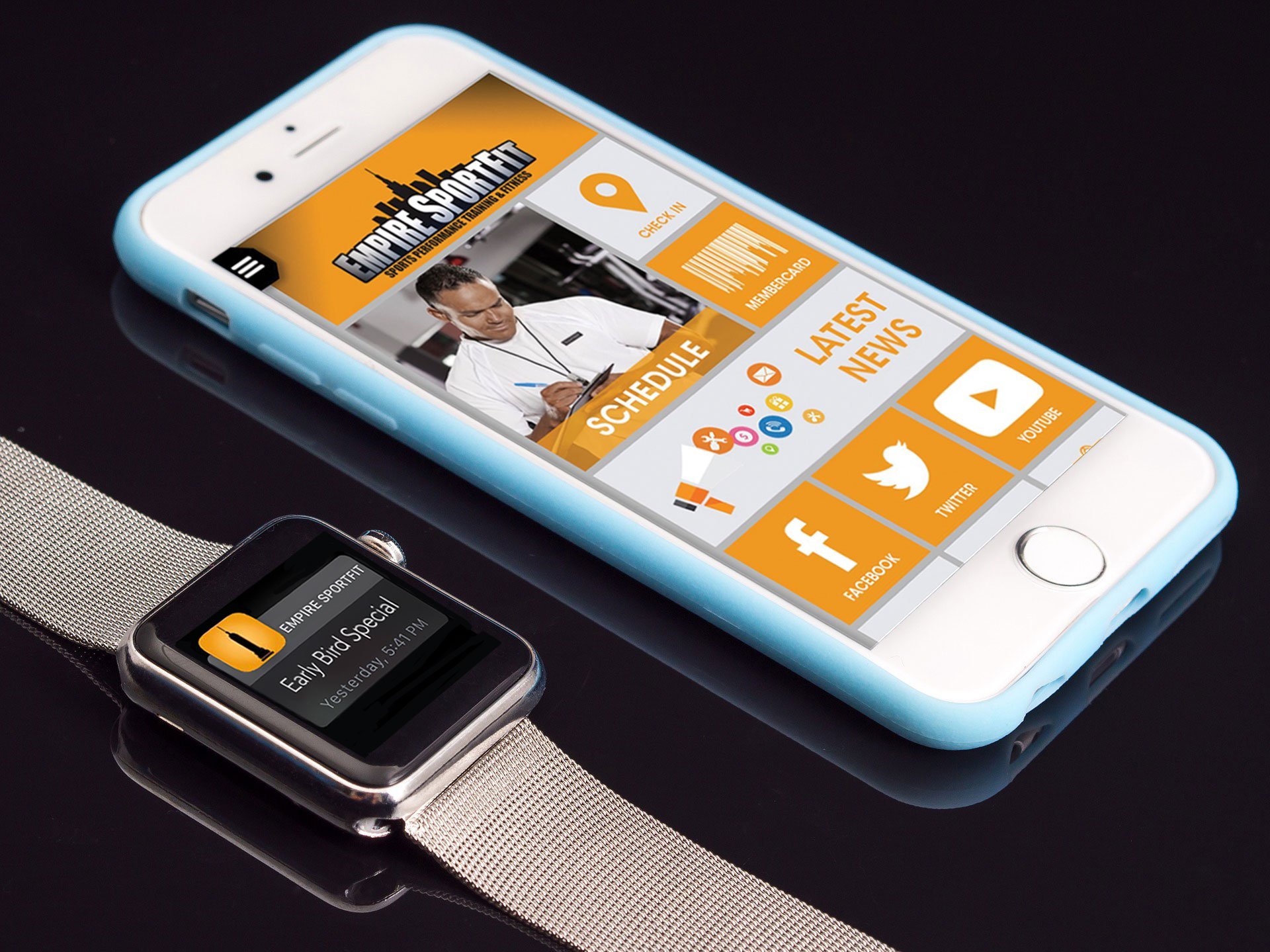
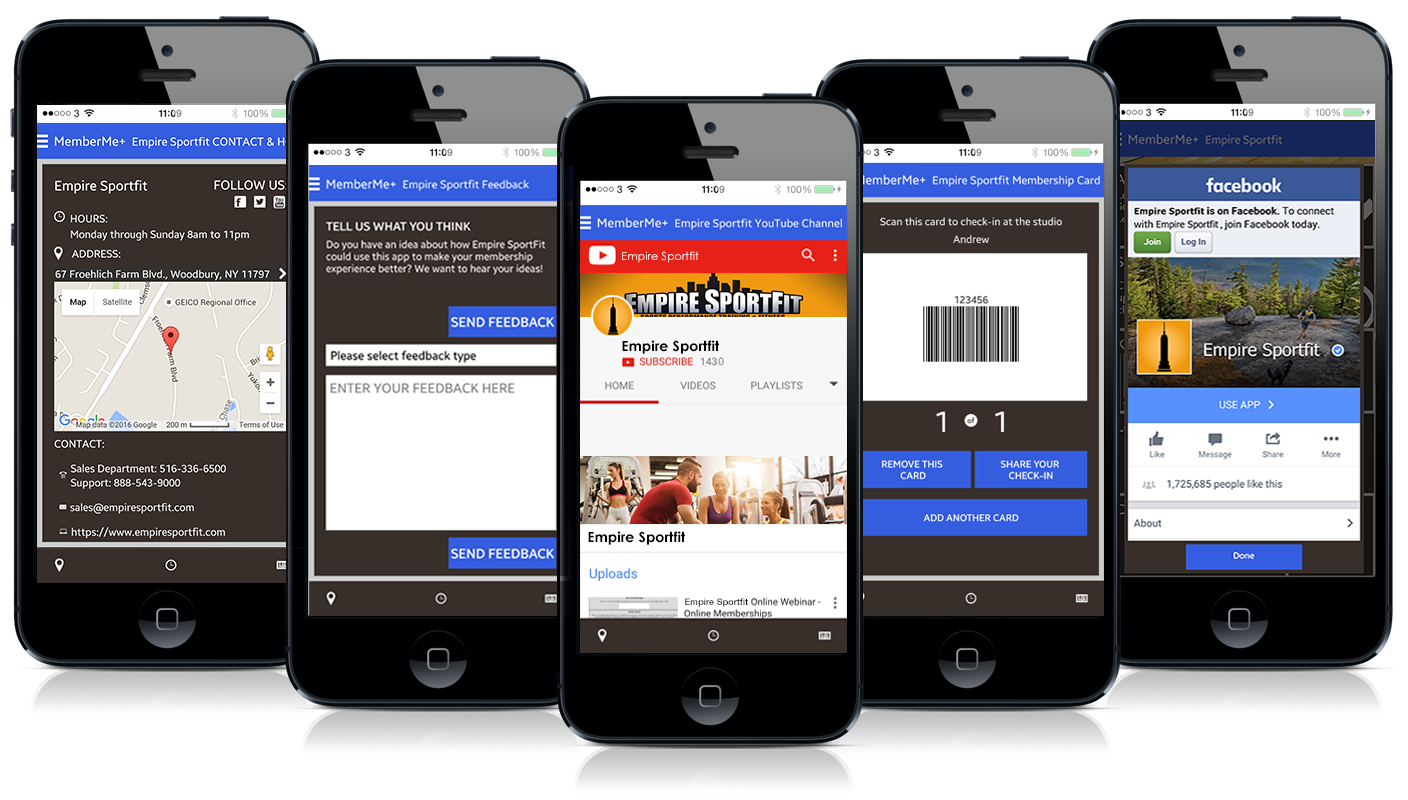
You’re looking to expand the reach of your business and the idea of integrating a mobile application comes to mind. Look no further. EZ Facility’s MemberMe+ can get you started in building upon both customer convenience and satisfaction. When was the last time you saw a client forget their coupon or membership id? With MemberMe+ you and your client can leave those bad experiences behind and step forward toward a better relationship.

Here are some of the many advantages that MemberMe+ provides.

– Virtual Incentives-

The ability to send digital offers and promotions allow convenience for your customers constantly on the move. We improvised upon this method by giving the client the ability to accept offers in real time, taking that “Yes” directly to a calendar for scheduling asap!

– GPS Functionality-

Location is one of the most valuable assets for social media and one of the fastest methods for clients to share your business and their social life. Users can “check in” with Facebook, expanding your business reach with ease.

-All-In-One Efficiency-

Your business may never move but your client is another story. They could be on their way from a new town or coming from a jetlagged flight. They could open up a separate app to find your business and then another to open your calendar… Or they could just use MemberMe+.

-Cross Compatibility-

We want the best possible level of client immersion available so along with the likes of Twitter and Facebook- MemberMe+ is available on iPhone and Android. The budget for a cross compatible app has often been known to be costly, however, when we take a look at our testimonials, the positives far outweigh the negatives.

-Registration of Member ID Cards-

Make your clients commitment easier by giving them the option to digitally store their client membership identifications. Once it’s registered, there’s simply no more time wasted looking for that small rectangular key card. (And no excuse to avoid the gym either!)

-Reporting-

Administer the application from your computer and generate reports on user activity such as download statistics, popular features used by clients and much more. The data gathered from our app can prove to be a vital tool on upholding and improving engagement level among clients.

-Updates & Push Notifications-

Operate efficiently through an admin portal where you can change image formats, add more links and send out notices. After all, surprises are for presents, not extended hours or the opening of a second location. Keep your clients always in the know on what’s going on with your business.

-Info Customization-

Just like your website, you can include a variety of info to your clients, from contact details to an “about us” summary. Also, the customization does not stop at written text. MemberMe+ also allows the inclusion of photos, particularly helpful for biographies of your trainers and or staff.

Imagine what you can do or always wanted to do with extra time. With MemberMe+ helping your business out, you can make that extra time completely yours, and we know you deserve it.

five iPhones showing different screens of one app

5 Methods of Communication Due For A Comeback

5 Methods of Communication Due For A Comeback

« Blog | Written by ezfacility | | (0) Comments

You need to contact a client and are considering between a phone call or an email. After a pause, you choose email. Ideally immediate results follow, the clients response is swift, and you move on now that your objective is complete….or is it? We all want to keep our clients happy and we all hope we are doing everything to ensure that they’re satisfied at the end of the day. Yes, we hope. But do we really know for certain this is true? Here are some methods of consistent engagement to utilize so you can ensure a healthy, happy client relationship to maintain.

1: Positive Body Language

Chances are you can remember this exact moment. Think of the last time you raised your hand for a high-five and received nothing in return. It certainly makes an impact and you probably remember the person. This is the power of a bad impression and it can be quite a powerful thing. So what can be done? You’ll be pleased to know the answer is practically effortless. Just like a good pre-workout stretch, opening up your body and standing up straight enables a confident atmosphere for both you and your client. According to a study published by the American Psychological Association , something as small as a firm handshake leaves an impression of extroversion-one of the utmost ideal traits of an entrepreneur. We also recommend keeping those arms unfolded and open for interaction to create an environment of approachability.

2: Handwritten Cards/Letters

Yes emails are easier, but Grandma still mails you birthday cards doesn’t she? And they’re signed in that unique penmanship that makes you think of her and her only? Maybe there’s also a little drawing or message attached. Something that becomes a symbol of them and their love. While we probably don’t want your client to love you like Grandma does, we can agree they should feel content at the mention of your name and or business. Of course like Grandma you should stick to about 1-2 cards a year maximum.

3: “Lets do Lunch”

Think of treating your client as you would a new friend. Recommend them locations of local parks and healthy eateries local to your business. Work these mentions between conversations with existing customers and make flyers for newcomers. A good way to remind clients that you care is to hand out coupons relevant to your suggestions. If a client declines these suggestions or offers-make note of it. Even if there’s no connection at the end of the conversation, there still was a takeaway moment to learn from the experience and in time, develop a different angle of approach.

4: Courtesy Calls

Try not to let “Goodbye,” be the last thing you hear from a client on a daily basis. Through follow up phone calls or emails- you can turn that “Goodbye” into a “Thank You!” or maybe even something better! If using a phone call follow up, use this opportunity to ask questions that flesh out your client as a person-“We’re doing a birthday checklist and noticed you’re not listed. Want to sign up?”. If your emailing, you can use this moment to attach a quick survey for feedback. On the off chance the follow-up proceeds to a negative response-this gives you a heads up to rectify and learn from the situation. An unsatisfied client that is willing to communicate is more than likely to be accommodated than one who chooses to suffer in silence. On the flip side however, initiating a follow up call or email gives the silent sufferer an opportunity to voice their opinion.

5. Asking More Questions!

It’s time to one up your client trivia by using EZFacility’s CMS where the most detailed account profiles are made possible. When you think about it, account profiles are absolutely everywhere from Panera Bread to AutoZone, but how personalized are they beyond a name and a birthday? How much easier would it be to add new programs to your business if you knew what activities your clients enjoyed the most? By using EZFacility’s CMS you can get started on your next move.

If you are wondering more about effective examples of gym management software, we recommend signing up for a free demonstration of one the most highly experienced, ranked, and trusted gym management software solutions.
iStock_000012912455_Small.jpg

The Sales Minefield: How to Avoid the Biggest Selling “Bombs”

« Blog | Written by ezfacility | | (0) Comments

Read below to learn a few tips to avoid the biggest selling “bombs”:

1. Not understanding the value of what you’re selling.

The key thing to remember here is that you are providing a solution, not just a contract or training sessions.  Prospects come to your club because they have a problem. Whether it be they want to lose weight, tone up, or just develop a healthier lifestyle, they are looking to you to provide them a way to reach these goals.  Additionally, each prospect has different, unique fitness and health priorities and there is no real way to put a price tag on what they value. 

2. Thinking selling means you have to “sell your soul”

There are many cartoons that depict salesman as slimy, evil-eye browed villains in suits. This is not an accurate depiction.  You do not have to manipulate prospects to make a sale. 

Selling should be an inquisitive, educational experience. You need to get to know your client in order to sell them exactly what they need to reach their goals. As you begin to understand what your client is looking for and what they value, you can establish yourself as the best positioned person to help them achieve.  When you make a sale, don’t think of it as a number towards your bottom line, instead think of it as an opportunity to change someone’s life with your skills and knowledge.  

3. “Stealing” money.

We all spend money on products or services that bring us value. Your services bring value to your clients’ lives so never feel like you are tricking them into spending money on them.  The more you motivate your clients to stick to the program and drive results, the more likely they will commit to see the program all the way through and come back for future services and purchases. 

4. No repeatable sales system

You need a consistent, repeatable plan. Trust us, this will eliminate so much stress for you. Do not just wing it. I repeat DO NOT TRY TO WING IT. Professional athletes and successful business owners develop and follow repeatable processes to perform top notch. 

Here are a few steps to consider when overcoming selling “bombs”:

1. Qualifying Prospects 

I cannot stress enough how important this step is. It will save you SO much time in the long-run. Before you make a sale, you need to make sure the prospect is the key purchase decision maker and that they are aware of the price of your services and can afford them. Your time is valuable and you do not want to spend a dedicated amount of time on someone who is unqualified from the get-go. 

2. Building a Rapport

Get to know your prospects. Make casual conversation to ease any anxiety about communicating what they are looking to get out of your services. Not everyone who walks through your club doors are in shape and may be nervous about discussing their weight and measurement or allowing photos to be taken that they may find unflattering.  Ease their anxiety by showing them your club is a judgement-free zone and reassure them that you will do everything in your power to help them reach their fitness goals in an engaging and healthy way. 

3. Discovery Questions

There are three main questions to ask in the initial conversation with a prospect are 1) What are your goals? 2) Why do you place value on these particular goals 3) How much work are you willing to put in to reach these goals? (ask them to rate their motivation on a scale of 1-10). The last question is key in helping you develop a program that will bring results and will keep them engaged.

4. Identify Needs:

While there is more easily accessible information about health and nutrition out there thanks to the internet, most people are, in fact, not experts (no matter how much they believe they are). You need to make sure both of you are on the same page.  You may know what your client’s needs are such as getting more sleep, making better nutritional choices, etc, but they may come into this meeting with their own preconceived notions. Help them understand and identify their real needs in a positive, encouraging way. 

5. Diagnose the Problem

So, you’ve established your client’s needs, now it’s time to diagnose the problem.  A vast majority of the time, clients are having a hard time reaching their goals because( a) they don’t have a structured, sustainable program (b) they have chaotic schedules and need help fitting workouts and right nutrional choices into their normal routines and/or (c) they don’t have a network of support motivating them to reach their goals. You may need to do a little bit of hand-holding in the beginning to show them the right path.

6. Provide a Solution to the problem

There are a myriad of different ways to show clients the path to success. Choose the ways you know from experience will help this particular prospect. Share success stories from other clients and provide detailed explanation of the journey you set them on.

7. Close the Sale

Just like finding a solution, there are many different ways to close a sale. Provide the prospect with multiple options so they may choose the one that feels right. Giving only one course of action may seem restrictive and intimidating, especially to those who have never really followed a program before.

8. Handling Objections

Don’t get irritated when prospects show hesitation or offer objections about the program you have proposed. Remember, they may be nervous about trying something new and that they are unfamiliar with. Instead, let them communicate their concerns and never interrupt. Clients will appreciate that their concerns are heard and talking things out generally helps provide a mutual understanding and solution!

The key thing to take away from all of these “bombs” is that you need to be confident in your abilities, services and the value you are bringing to your clients’ lives. Forget all the negative connotations you’ve placed on money and sales and concentrate on providing the best possible solution to help your clients reach their goals. When you show that you are fully capable of providing solutions in a stress-free and judgement free environment, clients will respond genuinely to this and hold you in high regard. Think of all the lives you can change with your training and expertise! 


iStock_000001351376Medium.jpg

Free Weights are Here to Stay!

« Blog | Written by ezfacility | | (0) Comments

With all the hype about new, top-of-the-line fitness equipment it’s easy to overlook the value of free weights.
These durable, easy to use, versatile and conveniently portable gym staples still continue to be in high demand in clubs all over the world, and they are not going anywhere.
Perhaps the largest benefit of free weights is that they can be used by virtually anyone at any fitness level. Personal trainers, group class instructors, and athletes continue to incorporate this type of equipment into their programs. While these fitness gurus are interested in adding new equipment to their repertoire, they are also finding that using equipment that clients are already used to and then developing new variations in their use goes a long way in improving client engagement and longevity.
Instead of reinventing the wheel when it comes to portable, versatile equipment, the fitness industry is working to improve on what it already has. This has resulted in different forms of free weights made of different materials. Instead of cast-iron dumbbells and kettlebells (a new favorite in recent years) manufacturers are encasing this equipment with colored vinyl and rubber to improve grip and reduce the risk of injuries as well as damage to studio and facility floors.
A recent study indicated that there is an ever-increasing interest from club owners for commercial products that are made for high-volume use as well as versatility, meaning, this body-weight equipment can be used in conjunction with other types of programming such as cardio intervals, outdoor obstacles and races, and boot-camps.
The key takeaway here is that free weights are an ongoing trend and a great investment for clubs. They are durable, versatile, simple to use and essentially maintenance-free.

iStock_000075154967_Small.jpg

Improving the Consumer Experience

« Blog | Written by ezfacility | | (0) Comments

What is driving business and influencing every aspect of our daily lives? If you guessed technology, you are absolutely right. A more complicated question then is how exactly technology is doing this, and how businesses can further capitalize on its effect on consumer behavior.

The fact of the matter is, to keep ahead of the curve; businesses must incorporate technology into their operations. Here are a couple of key factors to consider in order to do this successfully.

1. Mobile has taken over.
Most purchasing decisions are done through easily portable mobile devices with access to high-speed internet. Today, consumers can order food, book tickets, bank, and arrange transport with a swipe or tap of a finger. In the realm of health and wellness, fitness tracking apps and virtual coaching have become all the rage. The main thing to take away from this rising trend is that convenience is key. This means businesses must have an easy to navigate interface for mobile devices to offer convenience and easy accessibility to clients.

2. Don’t think of apps as a threat to your business.
Instead, capitalize on this growing phenomenon. Yes, clients can access a variety of nutrition and coaching apps, however, fitness professionals can utilize these apps to build upon their existing programs and create a more personalized program that affects the client both in and outside the gym walls. An added benefit of this is there is still a human touch and point of contact along with providing a tech-based component for clients to use. Clients will respond more to an actual human that has a vested interest in helping them reach their goals than an app that simply processes an algorithm.

3. Self-Service is the future.
According to a recent study, the demand for self-service features has increased exponentially. Incorporating a self-service portal with the ability to allow clients to purchase products or services will go a long way in keeping your business relevant. Again, it’s all about convenience.

4. Social Media Presence is Crucial.
The preferred form of communication for most consumers is via text messaging and social media, which means your business needs to be present on all social media platforms and update it daily. We suggest creating a weekly schedule for posting on each platform, with content catered to the specific audience you are targeting. For example, Twitter, with its limited characters, is more effective with eye-catching images rather than a bunch of text. Social media, if used correctly, can be the most powerful marketing tool.

The bottom line is that you need to integrate technology into your business operations and marketing practices while still keeping that human touch. Adding convenience and personalized programming allows for a better experience for your clients and will keep your brand top-of-mind when consumers look to make purchasing decisions.

phonekids.jpg

Pokemon Go and YOUR Business

« Blog | Written by ezfacility | | (0) Comments

Unless you live under a rock, you’ve heard about the new augmented mobile app exploration game, Pokémon Go, that has become an almost overnight sensation.

Downloads of the game have surpassed even the most well-known apps, including Tinder, Snapchat and Bumble and it’s percentage of daily active users has doubled that of Twitter. Users around the world are spending a shocking amount of time travelling around communities, visiting local restaurants, stores, and other businesses in their search for Pokémon. Some even go so far as driving to other nearby towns in attempts to “catch” more rare types of Pokémon.

Many businesses, both big and small have caught on to the possibilities of this growing phenomenon and are capitalizing on it by using creative marketing campaigns and app purchases to drive large amounts of traffic through their doors, with the ultimate goal of converting players into paying customers.

Health Clubs can easily jump on this growing craze at virtually no cost and with minimum allocation of time and resources–all you need to do is know how to play the game.

There are many different ways you can use Pokémon Go to attract local players to your location and, hopefully, convert them into paying customers.

1. Is your Club a “Gym” or a “PokeStop”? The two types of locations this game that attract players in droves are called Gyms and PokeStops. Thus, either of these locations can be used in any strategy you choose to promote colossal sales. Pokémon Go runs off of an augmented reality HUD (also known as a heads-up display) of the real world. Each player creates an avatar “trainer” in the game that explores the virtual world as they navigate the real one. Players flock to PokeStops to collect rewards, collect Pokeballs and collect potions. PokeStops are usually buildings or businesses (in the real world). Although there is no official map that lists and locates all the Gyms and PokeStops, players have uncovered a workaround by using a searchable world map developed for another game by Niantic called “Ingress”. Players realized that the map for Ingress maps almost every PokeStop and Gym, the only difference being they are known as “portals” in Ingress.

To access this map, install the Ingress app on your phone and sign in with your google account. (If you don’t have one it’s very simple to make one and takes very little time). Once set up, you will be directed to a searchable map with all the listed “portals” which, again, are actually Gyms or PokeStops.

While many of these stops are businesses, even if you’re isn’t, there is most likely a PokeStop or Gym nearby that will still drive traffic your way.

2. Host a Lure party! Many businesses are jumping on this marketing strategy. Here’s how it works. A “lure module” is something you can buy in the app to lure wild Pokémon to a location, which, needless to say, attracts players to that location as well.

Businesses typically will buy a package of lure modules and advertise a “Pokémon Go Lure Party” for one night. Each lure is active for 30 minutes so businesses will set them to be back-t- back in order to attract the most amount of players possible for the entirety of the party. This can be extremely effective if your business is or is near a PokeStop. It’s easy to set up and costs virtually nothing. Let’s break down the cost just to show how little you need to spend to reap massive rewards:

Let’s say you decide to spend $100. This gives you about 14,500 Pokecoins which is the in-game currency. An eight-pack of Lures costs about 680 Pokecoins. Let’s break this down some more to see the real ROI this presents:

14,500 Pokecoins/680 = 21 eight-packs of Lures

(21*8)/2 = 84 Hours

$100/84 hours = $1.19 per hour

So, at the price of about a dollar per hour, you can attract crowds of players to your place of business. We also recommend offering special deals for Lure Party attendees to encourage even more participation.

3. If you are located near a Poke Gym, host a Battle! There are three different “Teams” that “trainers” (users) can be a part of in the game. These teams are called Mystic, Valor and Mystic. Teams “battle” each other at PokeGyms and the winning team “takes control” of that gym. As a result of this, users are constantly meeting at gyms anyway, so there is no need to purchase Lures, so you’ll have a constant influx of new potential customers.

To find out if your business is close to a gym, you can refer back to that Ingress map or open the game in your phone and look for tall building-like structures with Pokémon at the top. They are pretty hard to miss so you will see right away which ones are closest to your location. Businesses can take advantage of these PokeGyms in a number of different ways. Most of these methods rely on some creative marketing on your part. Here are just a few ideas:

  • Customized Pokémon Gym Badges: Everyone loves getting free stuff. You can easily customize these badges to incorporate your business name and logo when ordering from a supplier. Simply search online for “Pokémon Gym Badge” and “custom orders” to find suppliers.
  • Winner Discounts: Advertise which team has current control of your gym and offer discounts on memberships, packages, merchandise, etc for that team. You can do this on a poster, sandwich board, or any other physical advertising materials you have at your disposal.
  • Utilize Social Media: I’m sure by now you’ve seen followers on facebook posting screenshots of the game. Follow their example and post ongoing battles with searchable hashtags such as #pokemongo or #teamvalor.
  • Organize a PokeHunt: Here’s another example of a lucrative creative marketing tactic. This strategy is allows for a little more flexibility as it doesn’t rely solely on how close your business is to a Pokestop or Pokegym. Organize a Pokémon hunt that ends at your businesses with an after party to make a lasting impression and facilitate brand recognition. This is fairly simple to set up as it just requires an advertisement stating the start time of the hunt. Allow time for players to show up, and then have your staff (wearing your logo of course) lead them on this excursion. This is a really great way to promote brand awareness and establish your business as an inviting community that players or potential clients want to return to.
  • Social Media Deals: Last but not least, offer discounts for clients who post pictures of Pokémon they find at or around your facility with a hashtag that names your business. This spreads awareness on social media and let’s other players know what types of Pokémon are near you.

While it is still in its early stages, the Pokémon Go app has already presented numerous possibilities for businesses both big and small. As new updates and developments are added to the game, the opportunities will only continue to grow. If you’re business hasn’t jumped on the Pokémon Go band-wagon, it’s about time you started!

iStock_39816568_SMALL.jpg

Social Media No No's

« Blog | Written by ezfacility | | (0) Comments

I’ve addressed this area before, but I cannot stress enough how crucial social media is to your fitness or sports business. Last time in my blog, 8 Best Practices For Promoting Your Business On Social Media, I spoke about all the tactics you SHOULD be using with your various social media platforms. But, what is also, if not more important, is what you should be making sure NOT to do.

The following is a list of major “DON’Ts” to abide by in the digital space.

1. Sending automated twitter messages to new followers.

I know it’s hard to avoid the siren call of “automated” anything. Let’s face it, we don’t want to waste time individualizing each reply, but, believe me when I tell you it goes a long way. I can’t even tell you how many times I have received an automated reply that goes something like this:

“Thanks for the follow! Get my free e-book here!” or, “Follow me on Twitter, Instagram, Facebook etc., or my favorite, “How have you stayed motivated this week, download my blah blah blah.”

The point is, automated messages–no matter how witty and clever you think they are– give the impression that 1. I am just a number 2. You just want to clog my inbox with promotional materials instead of get to know me and my specific needs and 3. I am just not intelligent enough to realize this is an automated message and you don’t really care how motivated I was this week.

Key Takeaway: Automated messages are no beuno.

2. Grammatical Errors.

You may think it’s no big deal to make a mistake here or there, but if you think your followers aren’t judging you for each wrong use of “there”, “their”, and “they’re”, you’re dead wrong. Also consider your client demographic. Do you work in a high-end gym or boutique? If you do, grammatical errors can be extremely off-putting.

3. Responding to public negative feedback in a condescending or defensive manner.

Even if the feedback is completely untrue, responding in a kind, gracious manner makes you look really good. Getting into long-winded debates over what did or didn’t happen and what is or isn’t true not only leaves a sour taste in this complaintant’s mouth but also for your other followers and potential clients. Be the bigger man (or woman) and take this feedback as constructive criticism. It helps to think of complaints as gifts. For every person that voices a complaint, there are probably at least a dozen others with the same complaint who would rather leave than voice their concerns. Use this negative feedback as constructive criticism to improve on and build your brand and business.

4. Not having a “like” or “follow” button on your business website.

Do we even need to explain?

5. Not taking interview requests.

Interviews are a fantastic way to promote your business! Always say yes and always respond in a timely fashion. Even if the publication asking for an interview isn’t industry-specific, you are still reaching a variety of audiences and the more your brand is out there circulating, the more publicity and attention your business will get. Plus, while the interviewer may be from a smaller publication now, that doesn’t mean they will stay that way forever! And, on the same note, when the press publishes nice things about you, make sure to acknowledge them in a gracious manner. Keep that positive rapport going to capitalize on possible future feature pieces.

6. Not responding to tweets/posts/comments from people who are NOT followers.

This an opportunity to build a relationship with non-clients. Interact with these users, educate them about your brand and mission (without shoving it in their face) and eventually they just may become clients.

7. Failure to acknowledge bloggers/publications in your local area.

Follow them, repost their relevant content, like the heck out of their posts and invite them to participate in events and social functions at your facility. Start small and target local channels before attempting to step into the big leagues.

8. Having no social media presence at all.

This should go without saying—especially in a world where almost everyone is online and on some form of digital platform. The benefits of promoting your brand on these different channels is astronomical and should NOT be ignored. This is the easiest way to tap into a myriad of audiences from different demographics. While you’re at it, start up a blog too and develop a consistent schedule so subscribers know what to expect each week.

iStock_69971365_SMALL.jpg

5 Reasons Your Website Is Ineffective

« Blog | Written by ezfacility | | (0) Comments

For fitness business owners the month of January could be your busiest time of the year… in fact, statistically, it should be.

We’ve all heard it over and over again, New Year’s resolutions, January rush, people wanting to do something about all the weight they’ve gained over the holidays. And sure, that all makes sense logically but does it translate into tangible results for your business?

● Do you get more web leads?

● Is your phone ringing?

● Are you generating more income?

● Does your active member/customer count increase?

The truth is that global search traffic for fitness spikes every January (and has consistently for the past 10 years)

As an Internet marketing professional who is focused on the fitness industry I pay very close attention to these statistics and make sure my clients’ traffic/leads directly correlates with Google’s trends.

Fortunately, when things are done right, we see a pretty close match. In the graphic below we see what I call the “New Year’s Resolution Rush”: a spike in traffic the first week in January.

Everybody knows that Google has the majority of search engine market share– which means if you’re a fitness business, and your website traffic or leads do not directly correlate with these spikes in fitness interest, you’re doing something wrong.

The truth is, as you are reading this article, people are searching online for your kinds of services. If you’re unaware of this or not seeing it in your leads you either have poor SEO, or poor website conversion. Either of which is costing you money.

Here’s 5 things I see fitness professionals doing on their websites that’s hurting their SEO and killing their January rush.

1. Inaccurate Page Titles: Choose wording that matches the content of your page. This may seem straightforward… but consider programs with unique branding e.g. “360 Kickboxing.” You may be tempted to name the page the title of the program but you shouldn’t. Why? Nobody searches the keywords “360 Kickboxing.” Instead you should name the page what the most common search phrase will be e.g. “Kickboxing Classes in [city name]. Then in the content of that page you can talk about 360 Kickboxing all you want. You will notice that the closer your title is to your audience’s search the more clicks you will receive. Use Google Trends to discover how people search – or just use common sense.

2. Talking About Yourself: Your website should have 1 goal in mind: generating interest and leads for your business. Imagine you’re on a first date… sure, your date wants to know about you but if you talk about yourself the whole time, it’s a turn off. The same thing is true for your website. In your website sales text you should clearly cover the following points immediately:

A. What kinds of people do you help?

B. What can people expect? e.g. What kinds of results can they achieve?

C. What do you want them to do?

Interested prospects do want to know about your business’s history and culture but one quick scan of your social media accounts will give them all the information they need about that. My advice is to ask someone unrelated to your business to look over your website and be honest about whether you talk about yourself too much.

3. Using Text Images You know…. the text that really is just an image? Like this:

Search engines can’t read the content of that picture so it does nothing for your SEO. Keep relevant text and links in HTML and instead design the format of your page to handle any fancy fonts/colors you want to include.

4. An Incomplete or Inaccurate Google My Business page: Google Maps, Google Places, they’re all the same things now: branded as “Google My Business.” As Google gives more and more prevalence to their mobile search results, Google my business will play an even bigger role. If you don’t have a Google My Business page, it’s free, and you should make one right now. If you do have one, check it, make sure it’s complete, and then ask your happy customers to leave some 5 star reviews!

5. You’re Not Mobile Friendly: I can’t emphasize the importance of this enough. With more than 60% of traffic coming from mobile devices, how you look on a mobile device is now more important than how you look on a desktop.

Additionally Google now penalizes your SEO if you’re not mobile friendly. It’s been years since mobile responsive technology came out. You no longer have an excuse to not be mobile friendly.

The Internet is full of tools to help determine your mobile compatibility. If you’re unsure about your own website, reach out to us, or find a tool online and do a quick scan.

If the above points sound like a bunch of nerdy tech jargon to you, don’t worry, you’re not alone. The majority of our fitness customers focus on what they do best: helping their clients achieve their fitness goals. Outsourcing your Internet marketing/ website/ SEO is quickly becoming your best time management decision for you.

BUT if the above points make sense you can implement them in your website to make sure you stay relevant across ALL search engines through 2016.

97 Display ONLY works in fitness industries, so your business is our expertise.We offer:

● Websites – beautiful template designs with SEO included

● Incredible customer support – dedicated Account Reps 24 hour request turnaround.

● Fast launch – only a 2 – 3 week build time

● Ongoing SEO & support to keep you relevant

● New designs and feature upgrades for free

It doesn’t matter how good of a trainer you are – if people can’t find you, then you WON’T get the kind of business you’re looking for. Make sure your website is fully optimized and ready for the rush at the start of the year and you’ll have tons of online leads pouring in with minimal effort.

About the Author:

Timothy Sarazen is the director of 97 Display and, along with his team, manages hundreds of websites & Internet marketing campaigns for fitness businesses. 97 Display fitness websites are a collaboration of web traffic data & global A/B testing to help fitness professionals stay relevant and generate new leads for their businesses online. Timothy works with businesses like Roufusport, Net Profit Explosion, NESTA & Hyper Martial Arts to create website solutions for their customer base. 97 Display is a certified Google partner located in Winston- Salem, North Carolina. Learn more tips for improving your website performance at www.97display.com! Authored By: Timothy Sarazen – Director of Operations at 97 Display. 97 Display Creates Websites & Lead Generating Campaigns for Fitness Business. Learn if 97 Display can help your fitness website! Visit www.97display.com.

iStock_000014329161Small.jpg

2016 Recreational Sports Trends

« Blog | Written by ezfacility | | (2) Comments

If I asked you what the most popular recreational sport of 2016 is, what would you choose? Soccer? Volleyball? Maybe Tennis?The answer may surprise you.

According to a recent study conducted by GreenPlay Consultants, the number one recreational sport of 2016 (so far) that recreational facilities are adding is Pickleball. Strange, no? Well, though it may seem a strange at first, the rising popularity actually comes from the growing popularity of “simple” and “small” sports and activities. More trending sports in this area include small group training, mini-soccer, body-weight training, Ultimate Frisbee, and more recently, shortened sports seasons.

There are a couple key benefits that come from adding these “small and simple” activities. For one, facilities have an easier time integrating them into their existing programs as these activities usually require smaller spaces, less equipment and time. Mini-soccer only takes up about half of a traditional soccer field and Pickleball takes up only about a quarter of a regular tennis court, allowing for about four matches to take place at once.
An added benefit of these scaled-down sports is that people of all physical capabilities can play them. While they are popular with children and adults, older players are jumping on the trend as well because they don’t need to exert the same amount of energy as they would in the traditional forms of these sporting activities.

Many facilities are also adopting the trend of smaller seasons for sports leagues to accommodate the busy schedules of adults. As a result, the cost and use of equipment goes down and there are more opportunities for incoming revenue as leagues begin back-to-back.

Also trending are leisure or less athletic sports such as wiffleball, kickball, dodgeball, and hula-hoops. These activities are nowhere near as intense as other competitive sports, and work nicely into schedules as they can easily be played right after work and virtually anywhere. Some of the more popular leisure sports include foot gold, archery, and more recently Bubble Soccer which involves inflatable “bubbles” that players don which protects them upon impact with other players. Essentially, it’s bumper cars but with bubbles!

These rising trends have proven to be extremely beneficial to recreational facilities as they have driven down the cost of operation while increasing demand for new recreation possibilities. This is why it is so important to pay attention to predicted trends and consistently update services that your facility offers. All of the trends we’ve mentioned generate more interest in your business and creates various new streams of revenue. Get ahead of the curb by tapping into your local community. Find out what activities are generating the most interest and don’t be afraid to ask what new trends your clients have heard of that they would like to try!

iStock_000041822606Small.jpg

Fitness Trends of 2016: Explore the Possibilities

« Blog | Written by ezfacility | | (0) Comments

Can you believe we are already half-way through 2016? We’ve gathered up 4 of the latest fitness trends that have surfaced this year as well as what’s to come.

1. Exercise as an Experience

This developing trend views fitness as a lifestyle rather than a painful chore to “get over with” before moving on to more enjoyable activities. You may have noticed the emergence of smaller, specialized, boutique studios such as Crossfit, yoga, boxing, MMA and indoor cycling in recent years. This trend is a direct result of clients looking to get stronger, fitter and participate in a more social, intimate, and less stressful environment. Studies have proven that partner workouts or workouts done with a friend produce better fitness results and increase client motivation to reach fitness goals. These smaller studios provide a place where people with similar interests and fitness goals can come together and view exercise as a social and enjoyable experience. That’s not to say larger health clubs can’t tap into this specialized fitness trend. Many facilities are incorporating these boutique classes into their list of offerings. For example, there has been a notable increase in large gyms adding Zumba classes, boot camps, barre classes, and ever increasingly popular themed races and outdoor obstacles to establish their facility as a hub that people are drawn to have an atypical, community experience outside the gym walls. There has also been an increase in demand for body weight training exercises (which actually ranked No. 2 as a trend to watch for 2016 and beyond) as well as high-intensity interval training (HIIT) which involves short burst of high energy exercises followed by short periods of rest and is crammed into a 25 to 30 minute workout. Clients are looking for a less time consuming workout that they can easily fit into their work and social schedule that still produces almost immediate results.

2. Professional Trainers and Instructors

Gone are the days when fresh out of college staff are sufficient enough to teach clients proper form and offer fitness advice. Credentials matter. Recently, professionals certified by ACE or ACSM and other recognized agencies are in high demand. Health clubs should strive to ensure at least half of their staff includes individuals with certifications from accredited agencies. These trainers are able to challenge customers, keep them safe AND develop workouts tailored to a client’s needs. When clients see results, this increases their motivation to reach their goals and they’re willingness to keep coming back to your club! The focus should be on developing trust between trainers and members rather than spending the majority of their time recruiting new clients.

3. Functional Fitness

To put it simply, clients will get bored of the same old routines, so switch it up! Keeping workouts fresh will keep members motivated and enable faster fitness results. Interval training has been shown to be extremely successful as it allows the combination of different exercise methods to create versatile workouts. Some of the most popular examples include body weight training with elliptical running, indoor cycling with boxing, strength training and rowing and more. The key is to provide trainers with as many workout methods as possible to keep clients interested and dedicated.

4. Think outside the box…err we mean gym!

In the world of smartphones and social media, we are more connected than ever before. This means that trainers can influence client lifestyles and continue to assist with fitness goals outside of the gym. Apps that track nutrition choices, out-of-the-gym physical activities, heartrates and more are being adopted by health clubs to help trainers add value to existing workout regimes.

Additionally, clubs have begun adding outdoor activities such as obstacle course training, boot camps, marathon prep training, and sports league pre-season training to their repertoires. This is a great way to connect with clients’ interests outside the gym!

The key thing to take away from all of this is to keep the big picture in mind. If you are considering adding one or all of these trends to your club, understand that this is an ongoing social experience that will need to be constantly updated year to year. Give clients as many opportunities as possible to find their fitness niche, have an enjoyable and successful workout experience, and establish yourself as a trusted health and wellness community hub.

iStock_000030501524_XXXLarge.jpg

5 Gym Membership Retention Strategies & Ideas

« Blog | Written by ezfacility | | (0) Comments

If you are a human living on planet Earth, chances are you pay a LOT of monthly bills. You have your car payments, your cable bills, cell phone bills, mortgage or monthly rent and, let’s be honest, who doesn’t have Netflix these days? With all of these obligatory payments each month, chances are you are going to be extremely picky about how you spend your precious leftover income. A recent study found in the fitness industry that most people who cancel their gym membership –for reasons other than relocation or medical issues—do so because they aren’t utilizing their membership to its full potential and are sick of watching their monthly dues sucked from hard-earned paychecks.

With the rise of boutique clubs offering loyaly programs and services at lower prices, gym owners are now put on the spot to create rewarding experiences and perceived value for members. The cost to save a member is much less than the cost of acquiring a new member, so there is a tremendous benefit in having a set of efforts, activities, and resources allocated to trying to prolong the experience with the existing member. Now, more than ever before, gym owners need to focus on making clients feel motivated and confident in their gym membership investment.

So, how can fitness facilities compete with lower-priced alternatives and meet member retention challenges head on? Here are 5 key gym membership retention strategies to increase loyalty and customer satisfaction:

1. Exceptional Onboarding Process and the Right Staff.

Start off on the right foot and straight off the bat. You don’t want members to feel lost, intimidated or overwhelmed when they first sign. Make it a policy to place a personal phone call to a client two days after they join or send them a handwritten postcard. Let them know that your club is full of friendly people that are easy to connect and relate to! When it comes to hiring your coaches or personal trainers, focus on quality over quantity. A critical component of exceptional customer experiences is matching a client with the right trainer and allowing for smooth connections with other members. Hire people who are great listeners and fully committed to keeping in line with your club’s image and goals. Trainers should easily be able to identify client needs and interests. For example, if a client is into group classes, trainers should know to pair them up with other attendees and create a mini “fit fam” they can turn to for support and help to reach their goals. It’s also important to avoid “friction points” during the onboarding process and the first few weeks. For example, avoid frustrating situations such as forgetting to give them their membership cards or neglecting to teach them how to book a class or use equipment properly. You must give them the tools to succeed in order to build customer loyalty to increase retention.

2. Incentives/Rewards:

Who doesn’t like presents? Offer rewards and incentives to keep clients coming back. This is extremely critical for the first few weeks and months. Offer a $25 reward for attending a trainer’s program or for getting their picture taken. Offer a free class to clients who attend classes twice a week for 60 days, or 3 free PT sessions once they reach 3 months. Maybe after one month, you give them one month free (who doesn’t like free!) or a special discount at your smoothie station—the possibilities are endless. The point is, you need to keep your clients interested and perceive the value of returning to your club.

3. The 21-Day Rule and Effective Software for Tracking Activity

One of the most frustrating issues clubs face is figuring out WHY a client leaves. Most of the time, it could have been anything. Did they dislike one of your instructors? Was the music too loud? Did they face gymtimidation? WHAT WAS IT? The challenge is your lack of information. Aside from asking how a client is doing every time they sign-in at the front desk, how can you track client activity and identify “fragile” members before they leave?

The solution here is an all-in-one management software. Most gym software out there has more sophisticated tracking tools that will allow you to identify information such as who hasn’t been visiting your gym as often. Once you have this precious information, you can start putting together a strategy to interact and re-engage them. You can also use sophisticated tracking tools to easily see which classes have the highest attendance and focus your marketing efforts on promoting them even more.

Using these tools, you can then implement the 21-day rule. The rule is simple: if a member has not visited your facility after a full 21 days, your club reaches out to re-engage them. Be sure to establish a membership retention team to reach out 21 –days, 60 days or even once per quarter. Methods of re-engagement can range from sending an encouraging email to personally checking up on the client the next time they attend a class. Your goal is to reignite their motivation to be a part of your club’s culture and “family”.

4. Cutting Edge Fitness Center Classes

Last but not least, offer fitness classes and programs catered directly to your gym member’s interests. Keep on top of trends! Want to compete with that boutique Crossfit gym down the road? Offer Crossfit classes and, while you’re at it, create a Groupon to encourage clients to bring a friend! Do your research to make sure you remain on the cutting edge.

These are just some tried and true tactics to combat retention issues; but in reality, the possibilities are endless. Start with these 5 key tips and use what works best for YOUR facility. Need help making your fitness center or gym more efficient? Check out our gym management software.

FeaturesFixes-01.jpg

Features and Fixes -Online Rentals

« Blog | Written by ezfacility | | (0) Comments

Our Development Team is constantly working to improve your user experience with EZFacility. Between major updates, we release small but important Features and Fixes that address issues and add useful new options/tools to better help manage your business with EZFacility. These changes are documented in our Release Notes, found in our Support Center under the “Product News and Updates” section.

Current EZFacility clients may already be familiar with the myriad of benefits our rental scheduling software provides; however, with the addition of Online Rentals, we aim to make managing all the aspects of your business even easier so you can get back to what really matters—providing the best client experience possible.

If you run a sports or fitness facility, chances are you have a lot of venues to manage. From batting cages, fields, ice sheets, pitching and hitting tunnels, turf fields and multipurpose areas, there’s a lot to juggle. Not only are you trying to optimize your resources while building this complex schedule, you are also tracking payments, accounting for any extra equipment services and managing instructors, all while attempting to operate all the other parts of your facility. It’s exhausting just to think about! With Online Rentals, EZFacility users will be able to take the customer experience a step further by allowing clients to book their own rentals through the Self-Service portal.

On the client-facing side, clients will be able to search for available rental time by using filters such as type, length and venue and days of the week. As usual, the system will prevent any double bookings as clients attempt to schedule rentals. Additionally, when a rental is booked, a confirmation will be sent to the client, as well as a copy of the invoice for their records.

Online Rentals will function very similarly to session bookings. On the administrative side, users will be able to manage rental preferences such as rental types, rates, cut-off times, paid in full or pay later options, active membership requirements, and more. Furthermore, all necessary revenue categories and tax rates will apply to ensure efficient and accurate reporting.

EZFacility is extremely excited to provide this new feature as we too strive to make the best customer experience possible.

iStock_000029717692Small.jpg

Corporate Fitness Programs

« Blog | Written by ezfacility | | (0) Comments

Remember a little something called the Affordable Care Act (ACA) of 2010? This federal statute has completely changed the landscape of corporate fitness programs. In an effort to reduce health insurance costs, the ACA established new incentives and policies to increase the accountability to corporate fitness and wellness programs.

These incentives can be broken down to two types of programs:

Activity –Based: With “activity-only” programs, employees simply have to engage in a certain activity in order to be rewarded. For example, employees might be required to run for 45 minutes three days a week, follow a particular exercise plan, or stick to a strict diet. The point is, they don’t have to reach a specific weight, measurement or numerical goal to be rewarded.

Outcome-Based: This type of program requires employees to attain a specific wellness goal. This can include hitting a specific numerical goal, such as weight, BMI or blood pressure measurement. This can also mean quitting smoking or drinking. When employees achieve their measurable goal, the benefits kick in. Some corporate programs will issue up to 30% in refunds when a goal is met.

What does this mean for fitness clubs?

Well, first of all, if your club currently doesn’t offer corporate wellness memberships, you are missing out on some serious revenue. To keep up with ever-changing corporate programs, clubs have had to rethink their programming and product strategies. Clubs must offer outcome-based membership programs that include efficient documentation of results. Club operators must track everything from participation to outcomes including biometrics, health improvements, smoking cessation, etc. so that corporations can present these results in comprehensive formats for insurers.

Health facilities can capitalize on this new trend in corporate fitness incentives. Instead of just offering corporate memberships with lower pricing, clubs can work with corporate HR departments to add certain programs and services to these memberships in order to add value and increase the company’s wellness benefits. For example, one company worked with a client corporation to create a 12-week program that aimed to lower cholesterol. Employees that participated in the program reduced their cholesterol by 5%, resulting in about $18,618 in healthcare savings for their company. Clubs can also work with corporations to create competitions. For example, create a weight-loss competition where the team wins a monetary prize and a full refund of their registration fees if they maintain their weight for a specified amount of time. The possibilities are endless!

The goal is to establish your club as a valuable centerpiece to the companies’ wellness program. Don’t simply watch from the sidelines. Set up your club to be part of the ongoing effort to promote health and wellness in the work environment. It’s not going away any time soon!

iStock_62822506_small.jpg

Supercharge Your Blog: Blogging for Fitness Website SEO Benefits.

« Blog | Written by ezfacility | | (0) Comments

It’s no longer a secret that blogging is one of the most important features on your website if your goal is to improve SEO, increase conversion rates, and generate leads.

97 Display manages hundreds of fitness websites globally, and our most successful clients have a few things in common, one of which is that they all blog.

Blogging doesn’t have to be scary. Many of our clients aren’t professional writers and fear that the content they produce won’t be helpful or that people simply won’t read it. Ultimately they fear wasting their time over something that may not generate any immediate results. But the fact is that blogging can be used for technical and SEO benefits… not just for audience education. This means that even if no one ever reads your blog it can still be beneficial to your website! Let’s discover 3 ways to supercharge your blog for SEO:

1. Backlinks & Sitelinks

Your blog is one of the most natural ways to include large numbers of backlinks & sitelinks on your website.

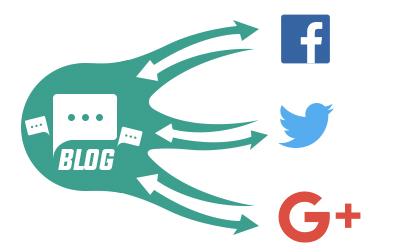
Backlinks: hyperlinks on your website to other URLS (such as your social media business profiles)

Sitelinks: Hyperlinks on your page to other pages on your website (such as “click here to view our new schedule)

Backlinks and Sitelinks are beneficial to your SEO because it communicates to Google specific keywords that your URL is talking about. The more backlinks & sitelinks, the more confident search engines are about the content on your site and the more likely you will rank higher in search engines.

One of my favorite way to naturally include backlinks on your blog is to end EVERY blog post with this:

“Learn more at our social media channels!

Timothy’s Fitness Facebook Page

Timothy’s Fitness Twitter Page

Timothy’s Fitness Google+ Page”

Where each of the lines hyperlink directly to the respective social media page.

BUT DON’T STOP THERE!

Next: Go to each other the social media channels and link back to that specific blog post.

● Facebook: New blog post! Learn more about our group training spring schedule:

www.fitnesstimothy.com/blog/group-training-spring-schedule

● Twitter: New blog post! Learn more about our group training spring schedule:

www.fitnesstimothy.com/blog/group-training-spring-schedule

● Google+: New blog post! Learn more about our group training spring schedule:

www.fitnesstimothy.com/blog/group-training-spring-schedule

This will create a web of links back and forth between your blog and your social media channels.

Get into the habit of doing this! Over time you’ll build a strong web of backlinks between your website URL and your social media channels which will clearly communicate to search engines the content and services of your website…. which is essential for top rankings!

2. Be Smart With Your Blog Titles

Your blog title is the most important aspect of your blog post. It is what tells search engines what your blog is about and it has the most SEO influence.

Avoid titles like:

“Ten Fat Burning Tips for January”

For a fitness business website, this title has no strategic keywords in place. It has no location keywords, and no service keywords. While it may read nicely it’s missing out on the natural opportunity to plug more strategic keywords on your website as titles!

Here is an example of an SEO friendly alternative:

“Beat the Cold: Denver’s Best Fitness Program Tips for Burning Fat this January”

This title communicates the same content but includes valuable keywords such as “Denver” and “Fitness Program.” This is especially helpful for small towns and surrounding suburbs that you want to rank in. Remember, you can always go back in time to old blog posts and update titles with these keywords!

3. Include Video & Image Tags. Videos and images will increase user engagement and improve the likelihood that your readers will actually read your blogs.

Just placing images & videos on your sites without tagging them, however, does nothing for your SEO.

An image is a perfect place to place otherwise awkward keywords in a perfectly “Google-friendly” way. Anytime you upload and image to your blog, simply name it something keyword rich- like “Denver Personal Training and Fitness Classes” EVEN if the picture is something completely unrelated.

Search engines will crawl your blog, however they can’t see your images – they can only see your description of the image. By naming your image something keyword rich you’re telling search engines that this image has to do with your specific keywords. This is HUGE! Any image or video gives you an opportunity to plug as many keywords as you can into the description or title of that image.

Since your website visitors most likely won’t see the title of your image, you won’t have to worry about how readable your keywords are- just make sure they are there!

Learn more tips for improving your website performance at www.97display.com!

Authored By:

Timothy Sarazen – Director of Operations at 97 Display.

97 Display Creates Websites & Lead Generating Campaigns for Fitness Business. Learn if 97 Display can help your fitness website! Visit www.97display.com.


iStock_000018905278XXXLarge.jpg

Safety First! Exploring Risk Management Best Practices

« Blog | Written by ezfacility | | (0) Comments

Aside from making sure clients are having the best experience possible at your club, you’re second largest priority should be ensuring visitor safety. However, as most club and facility owners know, this is no easy task. From establishing safety protocols and procedures; scheduling inspections; forms and contracts to sign, and making sure all other aspects of your business are running seamlessly, it’s a lot to handle. How can one person accomplish all of this? The answer is: you can’t, and you shouldn’t.

The key thing to take away from this is it takes a whole team. Do not assume all the responsibility yourself. Instead, create a risk management team and network made up of both internal and external sources of support. Having a team to delegate specific tasks to increases productivity and makes for a well-oiled safety machine.

Before looking for help outside your facility, consider your current resources. For example, do you have employees with a medical background? Do you have any individuals on staff with a law enforcement or engineering background? Look for individuals who can bring valuable knowledge and experience to the table. For this internal team, maintain a consistent meeting schedule to address risk management on safety concerns and protocols. These meetings should happen quarterly at the very least and should have a delegated leader to hold all members accountable for all current and new initiatives.

To further grow your risk management network, look to outside sources such as local fire departments, police forces and EMS teams. These resources can help you and your team practice drills for potential situations you may face as well as keep you up-to-date on local incidents.

You can also consult your insurance agent and carrier for resource and educational materials regarding risk management best practices and procedures. Some carriers also have loss prevention professionals who can be brought in to advise your team on proper safety measures and protocols.

Another great option to pull resources from is your local American Red Cross or other local agencies. American Red Cross assists businesses both small and large with educational materials, seminars, and guides for keeping your members safe in the case of an emergency.

The key thing to take away here is that you have a multitude of resources you can pull together to make the best risk management strategies possible. Don’t be afraid to ask for help and make sure new staff members are trained on all safety measures put in place at your facility.

Member Loyalty Programs

Hot Retention Strategies: Member Loyalty Programs

« Blog | Written by ezfacility | | (0) Comments

Have you ever heard of Endowed Progress Effect?

It’s the idea that when we feel we have made progress towards a specific goal, we are more committed to reaching that goal. If we do not recognize any progress we are making towards a goal, the more likely we will abandon all efforts to reach it. So, the key to this phenomenon is perception.

So where is this going?

Loyalty Programs. Yes, it turns out that this psychological concept has resulted in the ever-increasing popularity of loyalty programs across all types of businesses. Coffee shops, large-restaurants chains, merchandise stores, and spas have all adopted this trend, and more recently, so too has the health and fitness industry.

So what loyalty and retention strategies can you use to accomplish this?

There is a myriad of strategies to choose from. Awarding clients “free” points up front is a great tactic. Punch cards have proven to be extremely successful across all businesses. The idea is that once a person has had all the slots on their card punched, they will be rewarded. For example, you can give members a “punch” every time a member comes in per week or uses a certain machine. A great tactic that coincides with this is to start them off with three or so punches (for signing up, being a new member, etc.) so that they feel they are that much closer to their reward. This plays right into the Endowed Progress Effect because we know that people work harder to achieve a goal when they feel like they are close to reaching it. Rewards for full punch cards can range from a discount, free item, or a free class or program.

The best part is, you are rewarding members for actions they are most likely already doing including attending classes and referring friends and family, but you have just added a huge incentive to increase this behavior. That client may not be more inclined to refer more friends, purchase more classes and buy more merchandise just to reach that full punch card reward. The revenue and recognition possibilities from these programs are endless! Excited yet? Well, before you begin your new endeavor into loyalty programs at your facility, here are a few things to keep in mind:

1. Ability to Document Progress:

We mentioned before the Endowed Progress effect is based on perception. This means that clients need to see physical proof that they are making progress for these programs to be effective. Make sure you are able to document when clients reach each milestone.

2. Instant gratification:

First, clearly define each milestone of your motivational program and then ensure that clients who meet them are rewarded immediately. If clients have to wait forever to receive their prize, they will lose steam in their efforts to reach the next milestone or their ultimate goal.

3. Achievable goals!

It is physically impossible to lose 30 pounds (at a healthy pace) in a week! Therefore, make sure to speak with clients about their goals and manage expectations. Remember the flip side of the Endowed Progress Effect: When there is no perceived progress, this results in demotivation.

4. Invest in management software that tracks client progress:

If your programs rely on client information that you cannot integrate with your current software solution, this is counterproductive. If your software solution cannot provide accurate results, clients will become frustrated and less motivated to keep working towards their goals.

5. Valuable and Relevant Rewards:

If you are a fitness facility, rewarding members with ice cream coupons would not be beneficial to your clients and would consider moving business elsewhere. Instead, reward members with merchandise with your company logo, such as shirts, hats, water bottles, towels or any other items that reflect back on your brand and the industry.

A rewards program–if implemented correctly–can be a major source of revenue and growth for your business. Build relationships with your clients by offering efficient, trackable, result-driven programs to promote brand loyalty and establish a community that members and prospects want to return to.

learn more button

iStock_000088148167_Small.jpg

Booming Trends: Anti-Gravity Yoga

« Blog | Written by ezfacility | | (0) Comments

Once upon a time, I had no interest in yoga at all. I thought yoga was all about meditating by candlelight and singing “oms” in unison with twenty or so strangers. As a health and fitness enthusiast, I was under the impression that a “good” workout had to include intense cardio and heavy weights — neither of which, to my knowledge, were present in most yoga classes. It wasn’t until a friend of mine invited me to an Aerial yoga class that I realized how little I actually knew about this ancient fitness practice.
First of all, I had no idea that there were different types of yoga with varying degrees of intensity. Aerial Yoga (also known as Anti-Gravity Yoga) just so happens to be the most rapidly growing variation, popping up in clubs all over the country. Aerial Yoga includes the use of silk hammocks to support participants as they move through various yoga poses, midair. When I walked into the class and saw lines of these silk hammocks suspended from the ceiling, I immediately thought of the acrobats in Cirque Du Soleil. I thought, if I didn’t get a real workout, at least I’d have fun swinging from the ceiling.
About fifteen minutes into the class I realized I had severely underestimated it. I was sweating, breathing hard and channeling all of my energy into holding what felt like a hundred different positions only a contortionist could pull off. However, I felt great! I felt muscles aching in places I couldn’t normally reach with a typical cardio or weight-centered workout. It was a completely different kind of experience. After class, I thanked my friend for introducing me to this new-found addiction and immediately went home to do some more research about this practice.
What I found was a recent study conducted by the American Council of Exercise that examines how effective Aerial Yoga is as a form of exercise. As I was still feeling the endorphin rush from class, I wasn’t surprised by the results. The study aimed to track how this form of yoga affected participants on a cardiovascular level after three 50-minute classes a week, for a total of six weeks. The study included sixteen participants (all women) of various ages who were asked to wear a calorimetric measurement system as well as a heart rate monitor during each class. The results were extremely positive. At the end of the six weeks, participants not only experienced weight loss and a reduction in body fat, but also an increase in “good” cholesterol and improved respiratory function. Furthermore, it was found that each participant had reduced their risk factors for cardiovascular disease.
The study went on to say that each 50-minute class burned about 300 calories! That was impressive enough for me to go back for another round. In fact, I now go about three times a week and each time I go I see a significant increase in attendance. It’s become so popular that my gym had to start offering three more Aerial Yoga classes to accommodate all the members jumping on this new trend.
From the health benefits to the positive, fun, intense environment Aerial Yoga provides, it might be time to consider adding it to your facility’s programming. The flexibility of the hammocks allow for all different fitness levels to participate. I highly recommend it!

If you are yoga business offering anti-yoga classes make sure to check out our yoga studio software to make class check-in quick and easy.

iStock_000021232510Small.jpg

Better The Class Experience In 14 Steps

« Blog | Written by ezfacility | | (0) Comments

1. Get to class early. Spend a few minutes before class to get to know some of your students, not just to set up your equipment. This is prime time to show your clients that you are a) a relatable human being, and b) this gives you some time to learn client needs and what they are looking to get out of your class. Wander around too; don’t just wait for them to come to you. Remember as much significant information about clients as you can! Showing that you remember someone shows that you care and inspires client loyalty.

2. Own It. I should know who the instructor is the MINUTE I walk into the room. There’s no room for nervousness here. Even if you are nervous, fake that confidence until it’s real! If I am paying to take a class, I want to be confident in my instructor’s abilities.

3. Pump up the jams! BEFORE class starts. If you are about to teach a high-intensity class- like spinning- set the tone before clients enter the room. Chances are that most of your students have crawled out of bed to take this class before work or forced themselves to come after a long day. They need a psychological PUSH to rev them up. Don’t let them fall asleep on the bike.

4. Make sure to keep energy HIGH! Particularly in small classes.

There are a bunch of strategies you can keep in your arsenal. Here are just a few:

• Call people out by name. Make eye contact and encourage them to power through the workout.

• Make introductions between students to create a “pack mentality”. You’re in this together!

• Compliment them on actually making it to class when they could just have easily been sleeping—if it was a morning class—or headed straight to the bar after work. Instead, they’re here! YAY!

5. Encourage partner or group work.

Require students to make a connection by:

• Pairing up for a two-person exercise.

• Have half the class work super intense while the other half cheers them on.

• Tell students to cheer on the person exactly to their left/right. Give high fives (who doesn’t love a high five?).

6. Make a soundtrack full of FRESH jams, and while you’re at it, match the music to the beat! I personally need a good, blood pumping beat to get me in the right mental state for an intense workout. But, I need that feeling of something NEW each time to get that same effect. Don’t use the same soundtrack every class and, while you’re at it, check out the top 40 chart once in a while to keep relevant. And, try to match the workout to the beat! It helps the class synchronize and nothing is more motivating than being in sync as a unit.

7. Recover gracefully from mistakes. It’s inevitable: at some point in time, something will break or won’t go as planned. To prepare for this, make a list of things that could go wrong beforehand, and come up with solutions. Whether your music system breaks or you forget to repeat an exercise on the other side, find ways to roll with the punches gracefully and seamlessly. No one is going to walk out of the room in a huff if they see you are calm, poised and actively working on the issue.

8. Encourage encouraging noise! If you’ve been to any sporting event, you know that players thrive on the roar of the crowd. It’s no different in a group class studio. If there is someone screaming, whooping or doing a Native American battle cry – encourage this behavior and build on it! Usually when people are making these sounds, it means they are having a fantastic time. This is a major complement so don’t ignore it. Let students feed energy off each other and it will change the entire atmosphere of the class.

9. Correct students, but don’t make a scene. No matter what fitness level students are at, they can always improve. You earn trust from your students if you correct them once in a while. Push them deeper into a pose, make sure both feet are facing the right way—it goes a long way in showing your expertise. I want to know I am in fully capable hands. With that being said, don’t correct me from across the room and, for God’s sake, pull the mic away when you do! Most instructors don’t realize they’re embarrassing students this way. Just remember to pull the mic away for corrections.

10. Promote your colleagues! Contrary to popular belief, speaking well about another colleague does NOT take business away from you. Talk about how awesome the next instructor’s class is or mention how good an instructor is at a certain area of expertise. Talking badly about other instructors puts a bad taste in your students’ mouths.

11. Let students know when they are doing well. Praise students who are visibly trying their hardest. This goes a long way in boosting egos and encouraging them to keep coming back, especially if you call them out when they don’t realize you are watching.

12. Prepare for things to go wrong. Our bodies can do some pretty weird things when we exercise—things not everyone, especially first-timers—may not be familiar with. We sweat uncontrollably, make pained noises, hear popping sounds, and our muscles start to shake all over the place when they start to burn out. Reassure your students that all of this is normal to keep going!

13. Come up with an end-of-class ritual. Don’t just push students back into the real world straight after a workout. Ease them out of the endorphin high and congratulate them on a job well done. This could be a series of stretches or some light breathing techniques. Either way, ease them out of that mental state so they can be excited, feel accomplished, and then get on with their day.

14. Stay after class too. Don’t sprint out of the class once the workout is done. Stay after to get social with students. This is a great opportunity to get feedback on your class, whether positive or negative. Both forms will help you improve and gather ideas on how to make their next experience even better.

Most importantly, just stay after to chat and show that you are a normal person when you don’t have your supertrainer suit on. It will go a long way in forming loyal students and create viable referrals.

iStock_000031163308Small.jpg

The Key To Success? Relationships.

« Blog | Written by ezfacility | | (0) Comments

As a club owner, how often do you engage with your clients and staff? While making sure all systems are running smoothly at your club is important, sitting in your office all day just doesn’t cut it. The fact is, it’s the people that make a business thrive and the more you work to nurture these relationships, the more successful your club will be.

When we say “engage” we don’t mean asking for credit card information while selling a membership or package—that’s a business transaction. On the flip-side, walking around the club and simply saying “hi” isn’t enough either. You need to get to know these people who frequent your space. The more you ask about your members, staff, vendors and personal, the more you build a “community” and a place people actually look forward to returning to.

Here are three ways to build strong, long-lasting relationships at your club:

1. Get Personal.

Okay, we don’t mean interrogate, but do ask more personal questions than, “What rep are you on?” Make it your mission to learn about your members. Learn at least one significant thing about each member, and then remember it for the next time they visit. This will show them you don’t think of them as just a number. Ask them about their families; what they like to do on the weekends, what their fitness goals are, or just ask them how they are doing that day. Engaging in a real conversation will go a long way.

2. Be Authentic:

Speaking of real conversations; if you are being fake they will see right through you. Make eye contact, give real responses, and let them know you “see” them and that you care. If they see you walking around to each person asking the same question and responding the exact same way each time, they’re going to know you’re not being genuine.

3. Practice Patience:

If you find yourself dealing with a problematic client, try to see the situation from their perspective before you retaliate. Remember the Golden Rule, “Treat others the way you want to be treated”. We’ve all heard this since grade school, but it really should be practiced in daily life. People lash out for all kinds of reasons. The woman complaining about a cancelled class? This might be the only day she has off from her stressful job. The man complaining that the prices are too high? He may have just lost his job. You never know what people are going through, so treat them the way you would want to be treated if you were having a hard time.

The fact is, you need to get out on that floor and get to know your clients. You can’t sit in the back room and expect the people at your club to feel welcome. Make your rounds, learn about the people that make up your “community” and give them the opportunity to get to know you. The stronger your relationships with your gym community, the smoother your business will run and the more successful you will be.

iStock_000023202160Small.jpg

8 Best Practices For Promoting Your Business On Social Media

« Blog | Written by ezfacility | | (0) Comments

Who, in this day and age, is not on some kind of social media? This channel of communication has developed into a major source of revenue for businesses both big and small. Unfortunately, if you’re a small, new business, chances are you can’t afford to hire a Social Media Specialist. This makes marketing and attracting new clients and followers very tricky. Posting a picture or tweet here and there is not going to attract or engage a large number of followers. In order to truly use social media to its full potential, businesses must prepare to invest some time and effort into better understanding how to market on different platforms. Fortunately, we’re here to offer some advice:

1. Quality Over Quantity: You’ve heard this phrase before. As a small business, you want to reach for loyalty as opposed to millions of followers. You don’t need to “go viral” straight off the bat. Instead, focus on building strong relationships with a smaller number of followers. Social media relationships, like real-life relationships, take time. When you start to attract and build these loyal relationships with a select few, you tap into their social circles. Building a solid reputation for great customer service and support will translate into referrals and will build your following over time. Don’t put all your effort into one huge campaign for immediate value—let your following build up with LOYAL clients who plan to stay for the long haul.

2. Focus On Your Local Community: Start local. Look at the types of businesses that are around you and post targeted content. You can also offer incentives for local workers who check into your facility on social media.

3. Plan In Advance. We cannot stress enough how important this is. Create a content calendar so you know what kind of content to post on each day. This will save you so much time in the long run and consumers will appreciate your consistency. Also, start by experimenting with the best times and days to post content. Perhaps you get more engagement from posts on Wednesdays at 9am. Experiment and then make it a ritual. Also, take advantage of Holidays! Offer a Christmas special or free guest passes on Mother’s day—the possibilities are endless!

4. Use What You Already Have. You don’t have to reinvent the wheel. Utilize content you’ve already created or include quotes from satisfied customers. In the age of Yelp and other review sites, clients are looking for first-hand experiences to form their own decisions. Adding a client testimonial will go a long way in attracting new followers. 5. Be Engaging! People love quizzes, polls or any other medium where they can post their opinion. Let the public know that there are real people working at your gym, and don’t be afraid to show a sense of humor! Take some risks.

6. Translate Relationships Into Sales. So, you’ve established some loyal relationships, not how do you turn this into revenue? Begin by offering special offers to clients via social media. Offer online and offline coupon codes. Create contests with prizes such as free classes or memberships. This will generate sales both online and at your facility.

7. Quick Response Time: Never ignore a complaint! Think of complaints as little gifts. If one person voices an issue, there are usually ten more with the same issue that are just too lazy to post it. The people who DON’T speak up, are usually just leave rather than deal with the issue. Use these complaints to better your business and let the client know that they’ve been heard and that you are actively working to address their concerns. Most importantly, by responding quickly, you show that your company cares about your clients and want to create the best customer experience possible. With that being said, respond quickly to positive comments too! Everyone likes to be acknowledged and if you ignore a compliment it might rub followers the wrong way.

8. Use Data and Analytics. Finally, make sure you are measuring your reach and engagement on social media. This is critical to understanding what is and isn’t working. Most social media platforms provide their own set of analytics. However, it doesn’t hurt to use an additional tool for accuracy. Some of the data you should be sure to measure include:

• Who is promoting your business the most and has a vast amount of followers you can tap into?

• Who is visiting your page and when?

• Who made purchases from you in the past? This will help so you develop tactics to encourage future purchases.

The fact is, there are a myriad of ways to promote your business. Don’t dive straight in and try everything at once. Gradually build up your following with loyal members and nurture those relationships. Listen, respond, and get to know your audience so that you can develop your overall marketing plan into a major success.

iStock_000001351376Medium.jpg

Finding Success Through Failure

« Blog | Written by ezfacility | | (0) Comments

If at first you don’t succeed, try, try, again. It’s an age old proverb and one that many successful entrepreneurs live by. The fact of the matter is, failure happens–things fall through. What defines your brand and business is how you bounce back. True success comes from those who face failure head-on, get back on that horse, go back to the drawing board and never, ever quit.

So how DO you bounce back from a failed business-specifically in the fitness and sports industry? Here are three ways to consider:

1. Explain the failure and don’t make excuses: Transparency is key

Transparency is key and clients will appreciate your honesty. Own your failure–everyone makes mistakes. By admitting your mistakes and making it clear how much time and effort you will allocate to improving your products and services, you will give them the impression that you take your business extremely seriously.

2. Analyze the fail

The trick is to view failure as a great learning experience. Before you embark on a brand new business plan, take dedicated time to evaluate the factors and elements that lead to the failure. You need to really understand what worked and what didn’t. This way, you don’t have to completely scrap your old plan. Instead, you can build upon what worked and reevaluate what didn’t. Did clients love your product but hate your customer service? Were your prices too high? Dig deep and really analyze your client data.

3. Ask for Help

Don’t do it alone. You need to find other professionals and services that can help streamline your business. Are you tracking everything –from memberships, class packages, rentals– on paper? This can be both time consuming and stressful and can also lead to numerous inaccuracies and financial loss. An all-in-one secure management software is key. Not only can you track all your client data and class schedules, you will also be able to set up automatic billing, create a customized app for online purchases, send targeted email campaigns, access accurate reporting and more! The more you streamline your business processes, the more time and effort you can put into creating those exceptional, personalized customer experiences at your facility.

4. Refocus your brand

While you are analyzing your client data, identify your target audience. Was a vast majority of your clientele composed of young adults? Senior citizens? Elite athletes?

Once you recognize your main client base, focus your efforts on delivering products and services to this specific demographic. You need to create exceptional client experiences to attract and retain members. For example, if the majority of your clients are between 15 and 25 years old, you may want to focus on group classes or specific sports skills training to get these youngins’ in the door.

5. Actually Do it.

Now that you have evaluated what works and what doesn’t, refocused your brand, sought help and created a new business plan: set it in motion. Don’t let the failure freeze your ambitions. Most successful businesses fail more than once but it is only after failure that you will find success. Bounce back!

iStock_000073704247_Small.jpg

A Simple Guide For Calculating Retention- It’s Easier Than You Think!

« Blog | Written by ezfacility | | (0) Comments

The last thing we want to do while on the job is crunch numbers. However, the fact of the matter is, for a business to succeed—especially in the fitness industry—calculating your retention rate is vital, and this means we need to do a little math.

Calculating retention rates can be VERY confusing, but we’re here to break it down to some more manageable formulas. The key thing to take away from all this is, regardless of the equations you use, keeping members satisfied is a sure way to keep your retention rate high.

What Is Retention and Why Should I Care?

In laymen’s terms, retention is the percentage of the members that stayed in the past year or 12 months. It costs a LOT more to attain a new client than it does to keep loyal members, so it’s pretty safe to say that membership-based facilities should focus energy and resources on retaining members to be successful. Although reaching sales quotas and getting new faces in the door are important parts of the business, if you are not keeping those members, you’re working harder for the smallest profits.

How Do I Calculate My Retention Rate?

One of the biggest mistakes club owners make is they just total cancellations in a year and divide this by the membership total at the end of the year. Don’t make this mistake. Instead use any of the methods listed below.

By far the easiest way to track retention is by using the following steps:

1. Start with a 12-month chart and record the beginning monthly membership for each month.

Use the equation:

Previous month’s beginning membership + number of sales in previous month + number of reinstated (unfrozen) memberships.

PMBM + SPM + RM

2. Subtract the number of canceled memberships and the number of frozen memberships.

3. Total the canceled membership for the last 12 consecutive months.

4. Total the beginning monthly membership for the last 12 months and divide by 12 which indicate the average beginning monthly membership.

5. Total the number of canceled membership for the last 12 consecutive months. Divide this number by the number of average beginning monthly memberships in the previous step. This answer is your annual attrition.

For annual retention, take the number from step one and subtract attrition. The process is pretty easy, but make sure you are meticulous in your calculations.

Another popular formula for calculating retention rates:

Member retention rate = ((ME-MN)/MS)) X 100

ME = number of members at end of period

MN = number of new members acquired during period

MS = number of members at start of period

I know you’re probably starting to get painful flashbacks of high school math class, but don’t be intimidated. These formulas are actually pretty simple to use. Think about it:

If you start with 100 members in your club’s first month, and factor in the 15 members who canceled their contracts and 20 new members, then you are left with 105 members at the end of the month. Using the numbers above, your equation should look like this:

((105-20)/100)) X 100 = 85 percent of your members are still active.

Both formulas work for large clubs and small boutique facilities. Tracking retention rate is the foundation of growing a business. Whichever method you choose, make sure to take a serious approach to keeping members loyal and reducing your attrition.